.jpg)
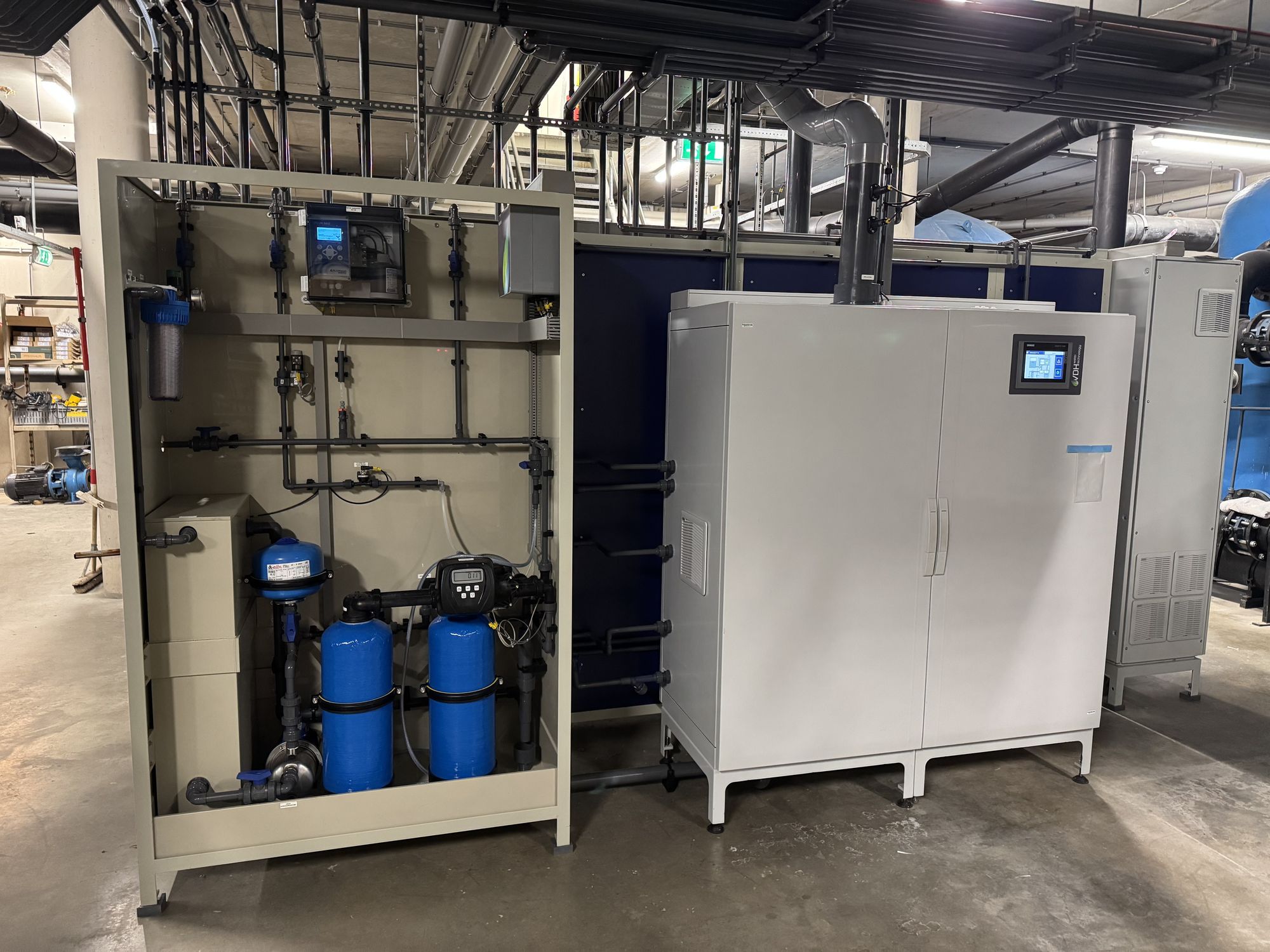
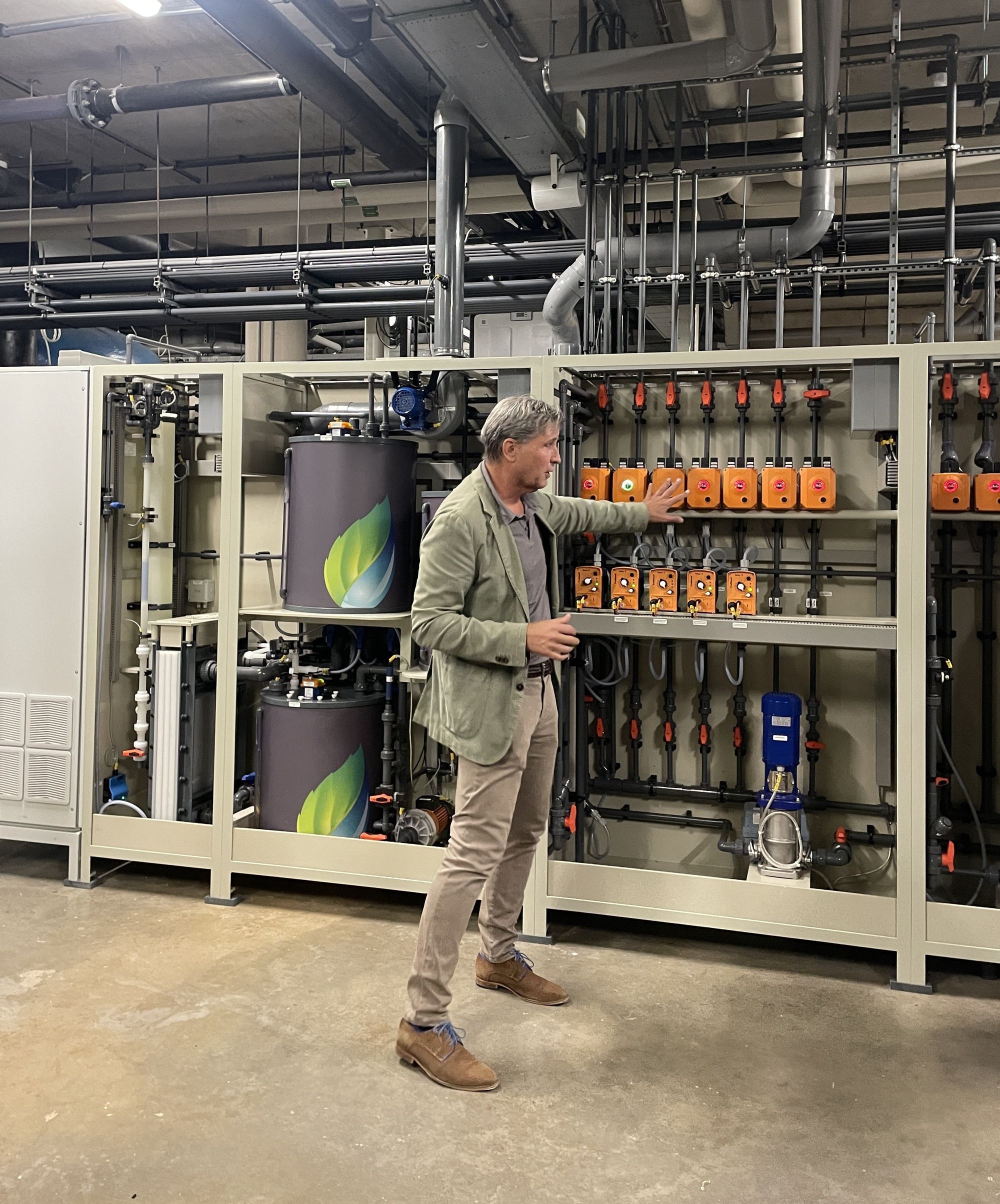
The Leeghwaterbad in Purmerend is the first swimming pool in North Holland and the second in the Netherlands to use a hybrid salt electrolysis system. This innovative solution from VDH watertechnology replaces traditional chlorine dosing and contributes to a cleaner, safer, and more sustainable swimming environment. The Leeghwaterbad is part of Spurd, an organisation committed to sport, physical activity, and a healthy lifestyle in Purmerend. The swimming pool plays an important role in this mission as a place where recreation and movement come together.
The original situation: traditional chlorine storage
Until early 2025, the Leeghwaterbad – like many swimming pools – used traditional disinfection with chlorine and acid dosing, stored in large tanks. With the introduction of the new Environment and Planning Act (BAL15) on 1 January 2024, the requirements for swimming water quality were tightened. Swimming pools must now meet stricter standards, making it increasingly challenging to maintain optimal water quality.
The goal: sustainability and local chlorine production
The Municipality of Purmerend set the goal of making the Leeghwaterbad more sustainable while improving water quality. The transition to salt electrolysis stems from Spurd’s environmental and sustainability ambitions. With this forward-looking choice, Spurd invests in a cleaner and more efficient method of disinfection, contributing to a healthier and more sustainable swimming environment.
The VDH solution: hybrid salt electrolysis installation
The solution? The hybrid salt electrolysis installation from VDH watertechnology, combining membrane and open-cell technology. This innovative system reduces disinfection by-products and lowers chlorine levels. It is also water-saving: improved water quality means less water needs to be refreshed per visitor, resulting in a cleaner, safer and more sustainable disinfection process. A back-up system ensures water quality remains guaranteed in case of malfunction.
.jpg)
-p-2000.jpg)